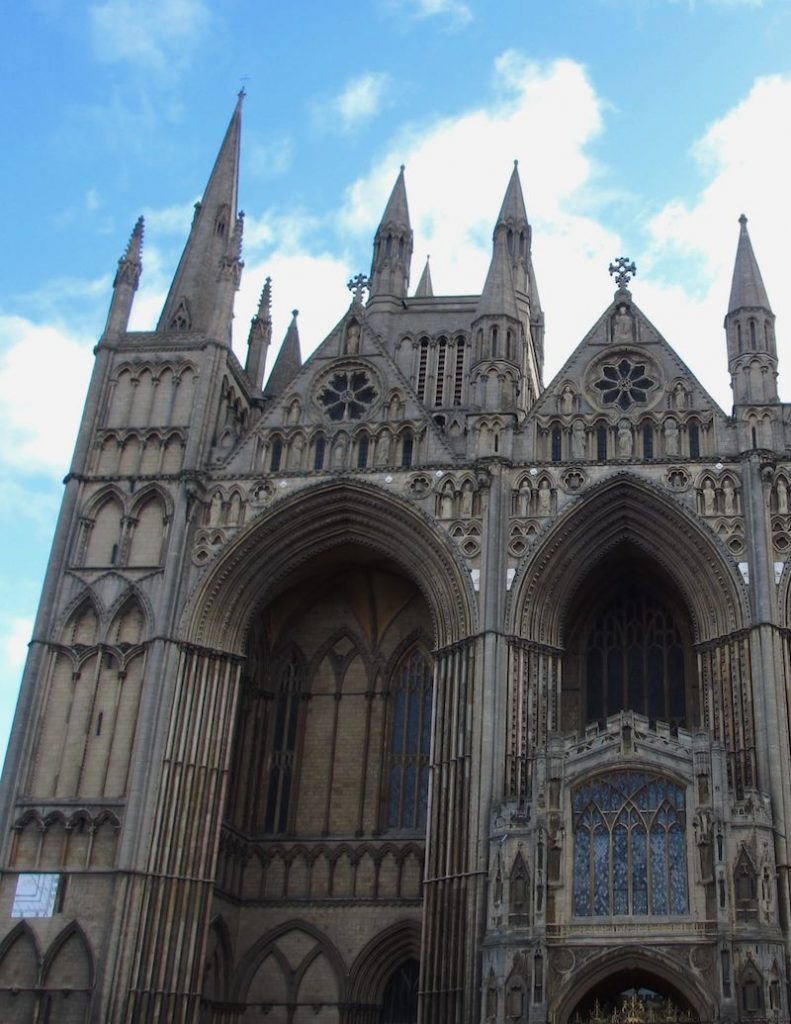
Peterborough’s cathedral is more than 900 years old and the countryside nearby has Roman roads and villas buried under its green miles. The city’s centuries of history are not immediately evident around the railway station, but head for the museum, just south of the nearby bus station, and you’ll begin to get a sense of the local heritage, which includes nearly four millennia of human habitation and marine fossils that date back 150 million years. Nearby, you can stroll beside the river, ride a steam train through the Nene Valley or take a boat trip on the lake.
Peterborough
Cambridgeshire

1. Stroll round the City
Regular trains arrive in Peterborough from London, Leicester, Doncaster and Cambridge. Arriving by train from Cambridge means passing through Ely, with great views over the marina to the hilltop cathedral. The railway runs on, above rushy fens and riverside water meadows, to March (see 4 below). From Peterborough station, well-signed paths show you the best traffic-free routes into town.
- Check out the Brewery Tap on the corner with Westgate, an award-winning microbrewery serving Thai food near Peterborough bus station.
- Peterborough Museum, just south of the bus station, has all kinds of local treasures, from fossilised ichthyosaurs to a Victorian operating theatre.
- From the museum, it’s a five-minute walk to the cathedral. Turn right on Priestgate, left up Cross Street and right along pedestrianised Church Street, passing St John’s church and the columned 17th-century Guildhall.
- The Cathedral, nine centuries old this year, has a hand-painted 13th-century wooden ceiling – the only one of its type surviving in Britain. Katherine of Aragon is buried there and the cathedral is open every day.

2. Longthorpe Tower and Ferry Meadows
Longthorpe Tower is a square, medieval tower with unusual domestic wall paintings inside, dating from the 14th century. These include a Wheel of Fortune, decorated with pictures that represent the five senses: a monkey eating, a spider’s web, a hawk…
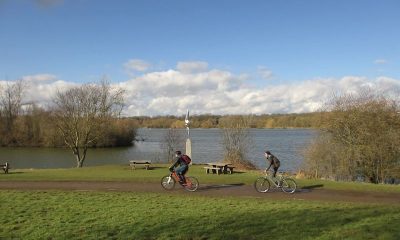
A short walk away are Ferry Meadows, where you can ride boats, bikes and miniature trains – or just stroll round the lake.
- Longthorpe Tower is open weekends seasonally.
- How to get to Longthorpe Tower without a car: hop on Citibus 2, which runs every ten minutes. After a 4 minute ride, get off at Woburn Close and walk a few steps forward to find the tower on your left.
- The Fox and Hound pub is a two minute stroll further up the road for refreshments before or afterwards and there’s another bus stop outside.
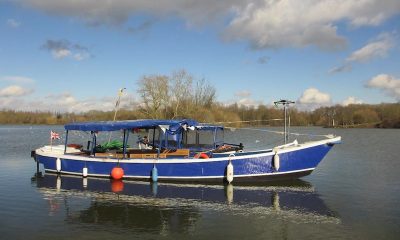
- Also nearby is Ferry Meadows with boat trips, outdoor centre, winding trails and a miniature train ride. Cruise across the lake or hire a bike.
- To get to Ferry Meadows, walk directly past the tower and keep straight on the cycle path, crossing over the main road. Turn right on the road beyond for 50m; then take the path on your left and follow it over the River Nene into Ferry Meadows.

3. Nene Valley by steam
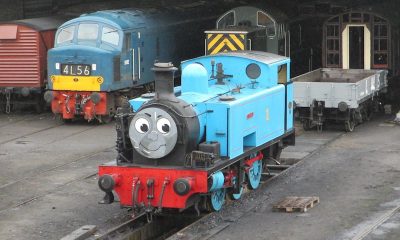
The fields and paths on either side of the River Nene pass old mills, Roman sites and the vintage Nene Valley Railway. The countryside around Peterborough is packed with history and you can explore on foot or on the steam railway, which runs most weekends to Wansford Station and Ferry Meadows station.
- The Nene Valley Railway runs a varied timetable of events, including a fish and chip supper on board. The Peterborough end of the line is just across the river, ten minutes’ signed walk south of the bus station.
- The Railworld Wildlife Haven is next door and has miniature trains, old locos – even a hovercraft. There is also a model railway running past ponds and mini waterfalls.
- Nostalgic Wansford Station, overlooking the River Nene, is the NVR headquarters and home of Thomas the Tank Engine. There’s a retro cafe, station book shop, viewing gallery and more.
- Cross the river on the pedestrian path beside the railway bridge to pick up the Nene Way, which starts by running alongside the railway embankment and offers an optional detour through a Roman site to the north.
4. Angels by Train in March
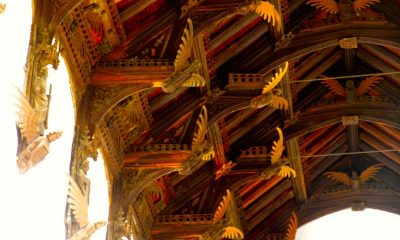
The ancient towns of Whittlesey and March are short train rides away through the wide-skied fenlands. One highlight of a visit to March is medieval St Wendreda’s Church, with its double hammer-beam roof and hundreds of carved, wooden angels with open wings. John Betjeman said the angel roof was “worth cycling forty miles into a head wind to see”.
- A walking trail of the town and guided riverside stroll beside the Old River Nene take you past the major sights.
- Heading from station, you’ll first pass a colourful fountain, at one end of Broad Street, which celebrates George V’s coronation.
- A little further on, the town’s war memorial includes a six-metre obelisk of Cornish granite and a soldier carved from Italian marble.
- To explore the riverside, turn right at the war memorial and, as the lane swings right, keep on through bollards onto West End, lined with cottages and riverside gardens.
- It takes about half an hour to walk along the High Street, past the March museum to St Wendreda’s church. Or you can hop straight on bus 33 from Elm Road outside the railway station. It takes a winding route through the houses and drops you at the Avenue, about five minutes from the church.
5. A Poet’s Cottage
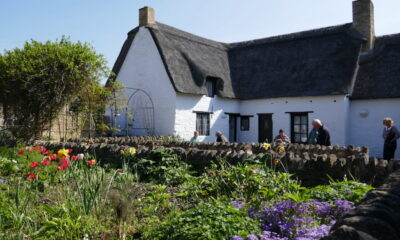
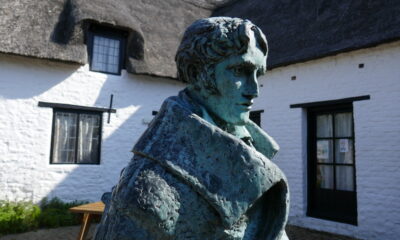
The poet John Clare, lived not far from Peterborough, in a thatched cottage in the village of Helpston. Born here in 1793, his poems are full of natural images and many of them described this village and the countryside around: “A little lane, the brook runs close beside/ And spangles in the sunshine while the fish glide swiftly by/ And hedges leafing with the green spring tide…”
- The cottage is full of evocative rooms, information and poetry. It’s currently open on Mondays and Thursdays (check the website) from 10am to 3pm (last entry is 2pm). There’s a fabulous café too so you can eat homemade soup or freshly-baked scones in John Clare’s beautiful garden.
- How to get to John Clare’s cottage without a car: Bus 201 leaves Peterborough bus station regularly, Monday to Saturday.
- It takes 20 minutes to get to Helpston by bus and the cottage is a couple of minutes’ walk from the bus stop. Get off near the church at Helpston Cross and turn left down Woodgate, past the Bluebell pub. The museum also has a walking tour of the village, passing sites with John Clare links.
- John Clare is buried in St. Botolph’s churchyard. Nearby, just next to the bus stop, there is an impressive memorial dedicated to the poet. The John Clare Society even organises a festival every summer in Helpston.